
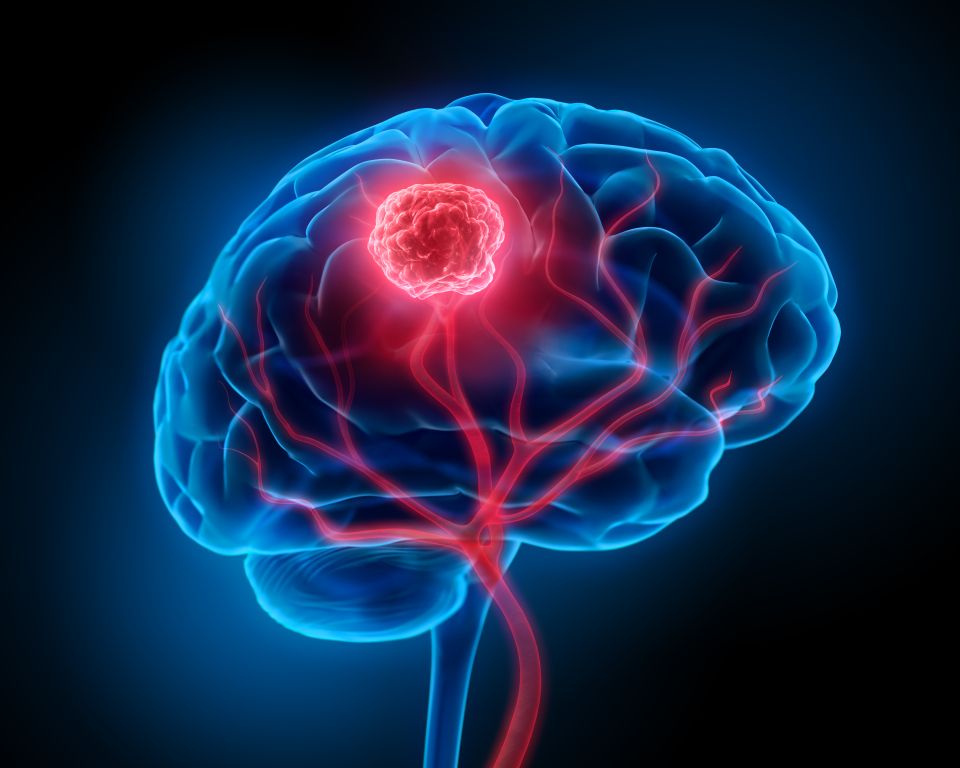
When facing a diagnosis of glioma or glioblastoma (GBM), every scan, symptom and decision can feel deeply personal. Patients and families quickly learn how much depends on imaging — it shapes surgery, guides treatment and tracks progress over time.
For decades, magnetic resonance imaging (MRI) has been the primary tool for doctors to see brain tumors. It provides vital information, but even the most detailed MRI can sometimes leave questions unanswered. Some tumor cells can remain undetected, while treatment-related inflammation or repair can mimic recurrence. These uncertainties can delay treatment decisions and add anxiety during an already difficult journey.
Seeing what MRI can’t
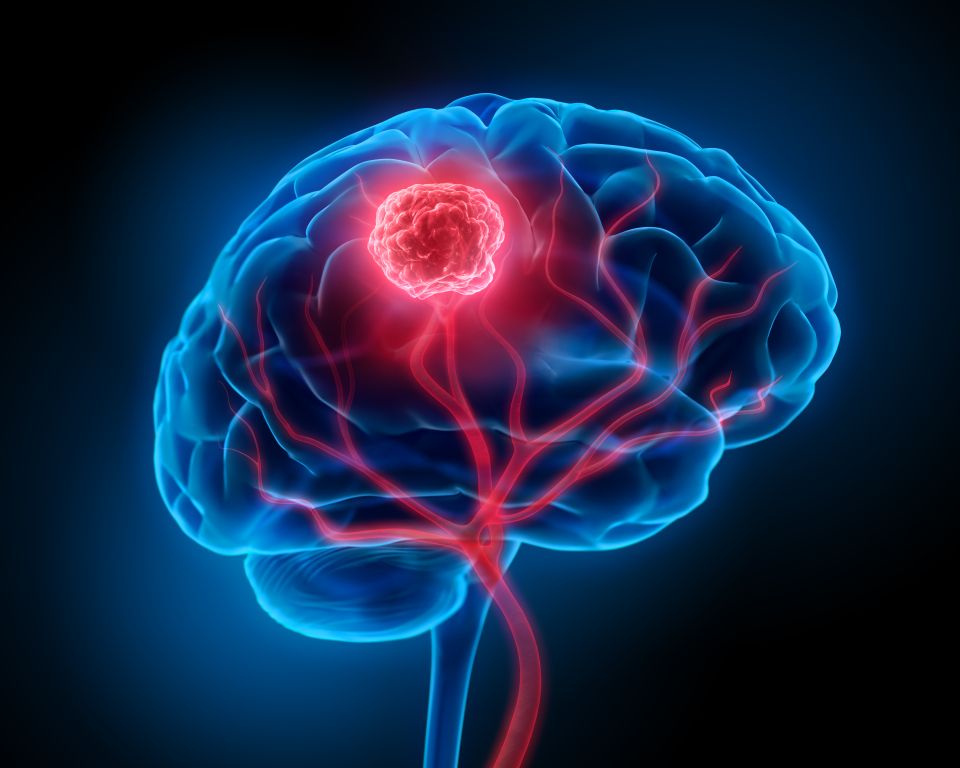
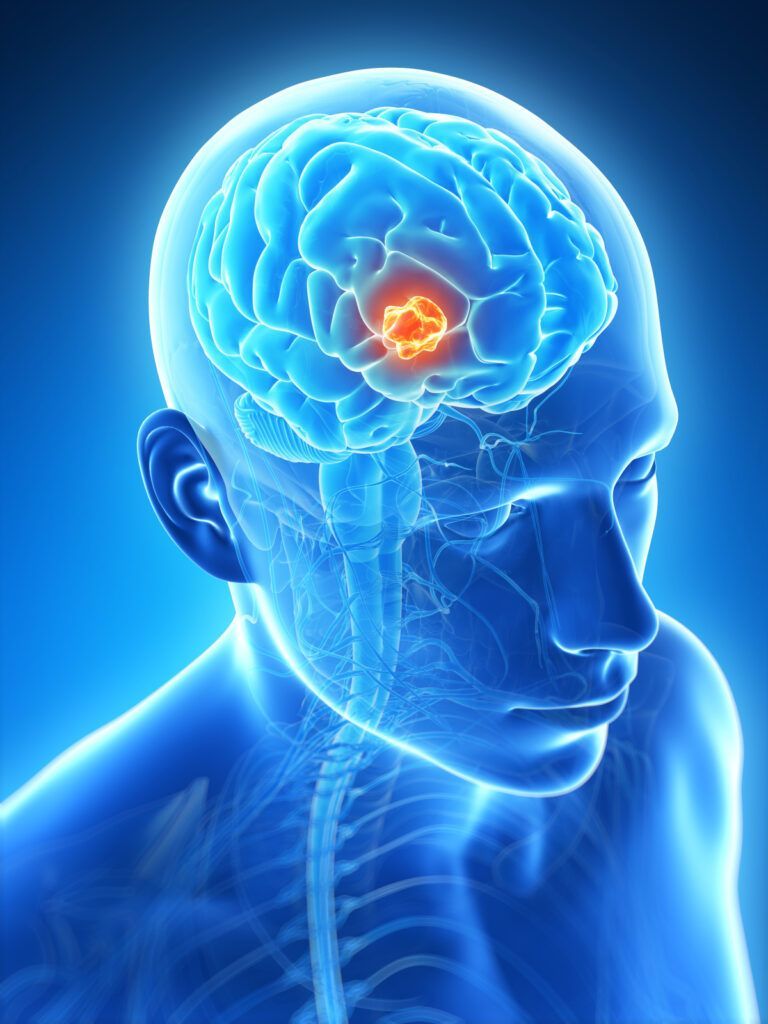
A newer imaging approach known as amino acid positron emission tomography (PET) is helping physicians look beyond anatomy to understand what’s really happening inside the brain. Instead of focusing on the structure, or what the brain looks like, this investigational scan measures tumor activity — highlighting the cancer cells themselves.
Gliomas often rely on a delivery system protein called LAT1 (L-type amino acid transporter 1) to absorb large neutral amino acids, which serve as essential fuel or nutrients for tumor growth. LAT1 is significantly more active in tumor tissue than in healthy brain cells. By design, PET tracers mimic these amino acids, so clinicians can see the tumor and identify the areas that are growing the most, which may not be visible on MRI. Importantly, these tracers use a small molecule targeting agent due to the need to cross the blood brain barrier, the normal protective barrier that prevents many other potential drug candidates from entering the brain.
Through this lens, LAT1-targeted PET could potentially:
- Reveal hidden regions of tumor growth, especially when the blood brain barrier is intact ¹⁻³
- Differentiate tumor recurrence from treatment-related effects, such as inflammation or necrosis⁴⁻⁶
- Show early response to therapy or progression, allowing care teams to adjust treatment sooner⁷⁻⁹
Clinical studies have demonstrated that amino acid PET imaging targeting LAT1 can achieve more than 90% accuracy in distinguishing true tumor activity from post-treatment effects — one of the most challenging questions in brain cancer care⁶,¹⁰.
A clearer path for patients and clinicians
Leading medical organizations, including the National Comprehensive Cancer Network (NCCN), Society of Nuclear Medicine and Molecular Imaging (SNMMI) and the Response Assessment in Neuro-Oncology (RANO) working group, now recommend the use of amino acid PET as a valuable complement to MRI across several clinical applications in glioma management¹¹,¹². As this technology becomes increasingly adopted across U.S. cancer centers, it could help physicians make more confident decisions, improving surgical and treatment planning and offering a clearer picture of how tumors respond to therapy.
For patients, this means fewer “wait-and-see” moments and more informed conversations about care that can help bring clarity, reassurance and direction when it’s needed most.
At Telix, our mission is to advance agents, like amino acid PET, to improve patient outcomes. By combining targeted radiopharmaceutical therapeutics with diagnostic imaging we aim to help physicians improve the way they see, track and treat brain cancer.
U.S. healthcare professionals can explore more on the diagnostic challenges in gliomas here:
https://gliomagrayareas.com/
To learn more about Telix’s brain portfolio, including current clinical trials visit:
https://clinicaltrials.telixpharma.com/research-areas/brain-cancer/
References
1. Langen KJ et al. Imaging of amino acid transport in brain tumours: positron emission tomography with O-(2-[18F]fluoroethyl)-L-tyrosine (FET). Methods. 2017;130:124-134.
2. Li L et al. Large amino acid transporter 1-mediated glutamate-modified docetaxel-loaded liposomes for glioma targeting. Colloids Surf B Biointerfaces. 2016;141:260-267.
3. Galldiks N et al. Contribution of PET imaging to radiotherapy planning and monitoring in glioma patients – a report of the PET/RANO group. Neuro Oncol. 2021;23(6):881-893.
4. Bashir A et al. Recurrent glioblastoma versus late post-treatment changes: diagnostic accuracy of 18F-FET PET. Neuro Oncol. 2019;21(12):1595-1606.
5. Werner JM et al. Differentiation of treatment-related changes from tumour progression: a direct comparison between dynamic FET PET and ADC values obtained from DWI MRI. Eur J Nucl Med Mol Imaging. 2019;46(9):1889-1901.
6. Singnurkar A et al. 18F-FET-PET imaging in high-grade gliomas and brain metastases: a systematic review and meta-analysis. J Neurooncol. 2023;161(1):1-12.
7. Piroth MD et al. Prognostic value of early [18F]fluoroethyltyrosine PET after radiochemotherapy in glioblastoma multiforme. Int J Radiat Oncol Biol Phys. 2011;80(1):176-184.
8. Galldiks N et al. Assessment of treatment response in patients with glioblastoma using O-(2-18F-fluoroethyl)-L-tyrosine PET in comparison to MRI. J Nucl Med. 2012;53(7):1048-1057.
9. Galldiks N et al. Early treatment response evaluation using FET PET compared to MRI in glioblastoma patients at first progression treated with bevacizumab plus lomustine. Eur J Nucl Med Mol Imaging. 2018;45(13):2377-2386.
10. Brendle C et al. Impact of 18F-FET PET/MRI on clinical management of brain tumor patients. J Nucl Med. 2022;63(4):522-527.
11. Law I et al. Joint EANM/EANO/RANO practice guidelines/SNMMI procedure standards for imaging of gliomas using PET with radiolabelled amino acids and [18F]FDG: version 1.0. Eur J Nucl Med Mol Imaging. 2019;46(3):540-557.
12. Albert NL et al. PET-based response assessment criteria for diffuse gliomas (PET RANO 1.0): a report of the RANO group. Lancet Oncol. 2024;25(1):e29-e41.