
2025 Research Grant Recipients
The ABTA Research Program oversees the competitive, peer-reviewed grant process to ensure funding goes to the most promising brain tumor research. Once awarded, we track each project’s progress and long-term outcomes to measure impact and advance discoveries in the field.
2025 ABTA-Funded Research Projects
The ABTA awarded more than $1.3 million towards 31 grants
The 2025 funded projects span multiple tumor types
- Glioblastoma
- Medulloblastoma
- Metastatic Brain Tumors
- Malignant Glioma
- Diffuse Midline Gliomas
Research areas of focus
- Immunology/Immunotherapy
- Drug Therapies/Experimental Therapeutics
- Epigenetics
- Biomarkers
- Radiation Therapy
- Proteomics
Flexible Research Fund
The ABTA Flexible Research Fund is a flexible approach to target research funding to key gaps in the brain tumor funding landscape. Through these projects the ABTA intends to drive progress in under-recognized areas of research to improve our understanding and the treatment of brain tumors and improve outcomes for patients.

Isabella Glitza, MD, PhD
Institution: The University of Texas MD Anderson Cancer Center
Among solid tumors, metastatic melanoma (MM) has one of the highest risks of spreading to the cerebrospinal fluid (CSF) and lining surrounding the brain, known as leptomeningeal disease (LMD). Patients with LMD face a median overall survival (OS) of only ~4 months. Treatment options are very limited, which must urgently change.
We have shown that delivering Nivolumab (nivo) immunotherapy directly into the CSF (intrathecal injection; IT) can double survival for MM and lung cancer patients with LMD. Further, in melanoma patients without brain or LMD involvement, combining two immunotherapy drugs – nivo and relatlimab (rela) – led to better results than nivo alone. Building on this, we conducted a first-in-human trial testing combined IT/intravenous (IV) nivo/rela in MM patients with LMD.
We also discovered unique gut and oral bacterial patterns (microbiome) linked to clinical outcome in brain metastasis and showed that changing these bacterial patterns affects immune activity in the brain. Our proposal will examine the immune cells in CSF and blood, along with gut and oral microbiome patterns, to assess how they relate to treatment efficacy in our LMD trial. We have successfully enrolled all planned participants and are finalizing sample collection, including blood, CSF, gut and oral microbiome, for our proposed analyses. We are confident that this research will advance our understanding of LMD and could lead to novel treatments for patients facing this devastating complication.
Basic Research Fellowship
The Basic Research Fellowship is a two-year, $100,000 grant, awarded to post-doctoral fellows who are mentored by established and nationally-recognized experts in the neuro-oncology field.
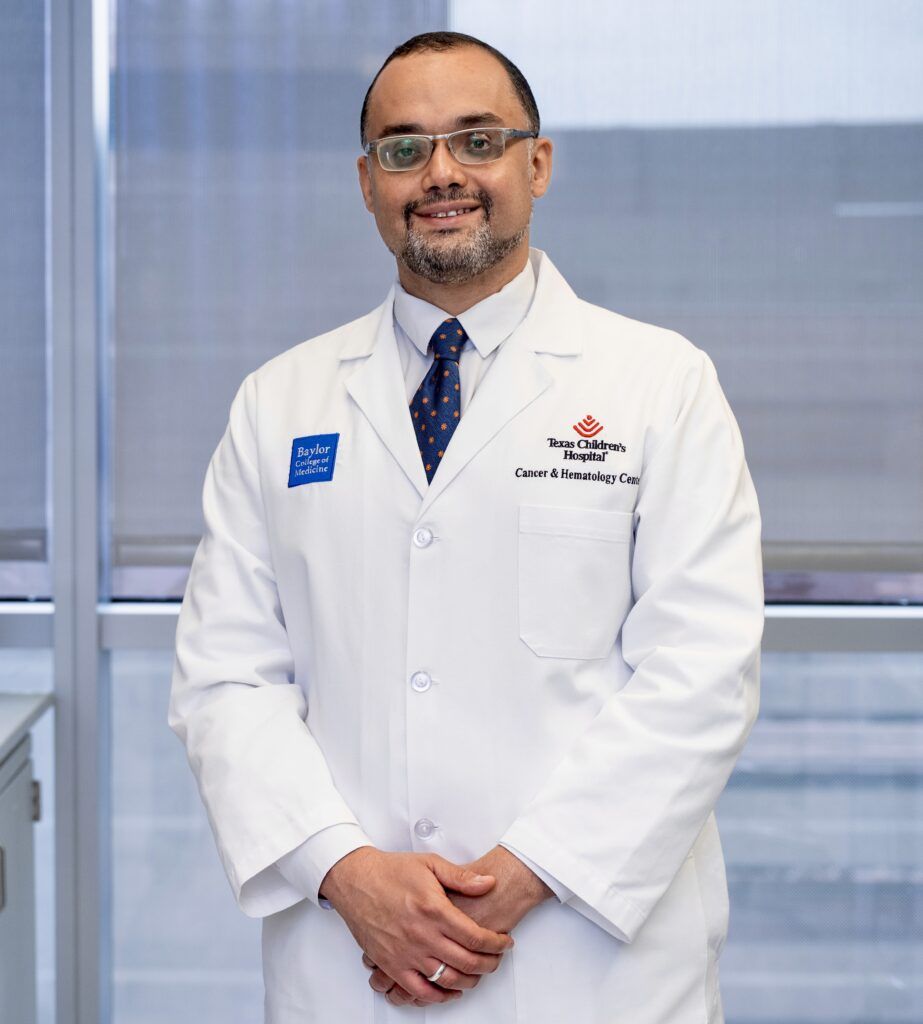
Ahmed Gad, PhD
Institution: Baylor College of Medicine
Mentor: Nabil Ahmed, MD
Tribute: In memory of Kaitlyn Berg
Chimeric antigen receptor T cell (CAR-T) therapy is an innovative treatment that engineers a patient’s own immune cells to find and destroy cancer. While this approach has succeeded in some blood cancers, brain tumor trials have shown only limited tumor control, along with significant side effects.
One major challenge in brain tumors is that drug targets vary widely across tumor types. For instance, the expression levels of HER2, a common target in solid tumors, in glioblastoma are often too low for CAR-T to detect, while in ependymoma and breast cancer brain metastases, they can be so high that they overstimulate and exhaust CAR-T. Many targets, including HER2, are also found at low levels in vital organs like the lungs, raising the risk of toxicity.
Unlike chemical drugs that can be dosed precisely, CAR-T are living drugs whose activity is difficult to adjust once infused. This project aims to develop a “remote control” (RC) system that can fine tune CAR-T activity after infusion in brain cancer patients. Our RC system repurposes two FDA-approved drugs: danoprevir, to boost CAR-T activity when tumors are hard to detect, and grazoprevir, to reduce or completely halt CAR-T activity when overactivation or attacks on healthy tissues occur.
By enabling precise and remote tuning of CAR-T activity, this approach could improve both the efficacy and safety of treating brain cancers.

Michael Kilian, PhD
Institution: Brigham and Women’s Hospital
Mentor: Francisco Quintana, PhD
Tribute: Co-funded by StacheStrong
Glioblastoma (GBM) is an aggressive primary tumor of the central nervous system, with limited available treatment options due to the heterogeneity of tumor cells and their ability to evade the immune response. The meninges are the membrane layers that cover and protect the brain. The dura, the outermost of the three meningeal membranes, has recently been identified as important site for immune cell activation in the setting of neuroinflammation like multiple sclerosis. However, the contribution of the dura in the immune response against brain tumors, like GBM, is still unknown. This project aims at identifying anti-tumor immunity-promoting or inhibiting cell-cell interactions in recently identified immune cell clusters in the dura using a novel technology called RABID-Seq a barcoding method that allows to study cell communication in vivo, spatial sequencing technologies to study cells in a spatial context as well as functional studies and human GBM tissue. We hypothesize that the dura is a unique priming location for tumor-reactive T cells augmenting anti-tumor functions. The basic understanding of meningeal driven anti-tumor immune responses can potentially lead to novel treatment approaches like tissue-specific delivery of immunostimulatory factors or the genetic modifications of cellular tumor-targeting products like CAR-T cells.
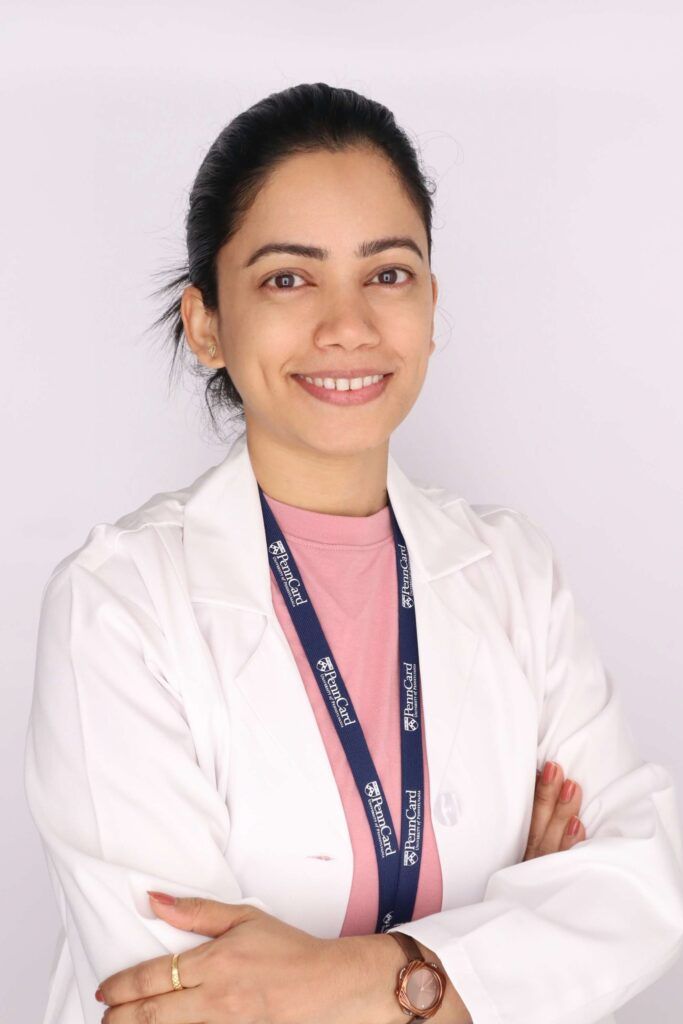
Kavita Rawat, PhD
Institution: University of Pennsylvania
Mentor: Dolores Hambardzumyan, PhD
Tribute: In honor of Joel A. Gingras Jr.
Glioblastoma is the most common and aggressive type of brain cancer in adults. Glioblastoma is particularly hard difficult to treat, which leads to poor prognosis. For instance, with standard of care treatment, the median survival of glioblastoma patients is only 14.6 months. The immune system, which protects the body from infections and diseases, might also play a role in helping tumors grow as tumors are known to hijack the immune system for their own benefit. One of the key cells in the immune system is neutrophils, which are the body’s first line of defense against infections, helping to fight off bacteria and other harmful invaders. However, recent research shows that the aberrant activation of these cells might also support the growth and spread of cancer, including glioblastoma. In our study, we are investigating how neutrophils contribute to glioblastoma development and whether targeting these cells could help slow down or stop the glioblastoma progression. By understanding the relationship between neutrophils and glioblastoma, we hope to discover new ways to treat this challenging cancer and improve patient outcomes.

Amy Wisdom, MD, PhD
Institution: Massachusetts General Hospital
Mentor: Stefani Spranger, PhD
Tribute: Fully supported by Tap Cancer Out
Glioblastoma is the most aggressive type of brain cancer, with limited treatment options and poor survival rates. Unlike other cancers that respond to immunotherapy, glioblastomas suppress the immune system, making it difficult for the body to fight the tumor. My research focuses on understanding how glioblastomas evade immune detection by disrupting the function of key immune cells called dendritic cells, which are responsible for activating tumor-fighting T cells. I will use advanced mouse models to determine where and how these immune cells interact with glioblastomas, and how treatments like radiation and chemotherapy influence this process. By identifying the mechanisms that prevent the immune system from attacking glioblastoma, this study could reveal new ways to enhance immune-based therapies. Ultimately, this research aims to improve treatment strategies and offer new hope for patients battling this devastating disease.

Ningning Liang, PhD
Institution: University of Michigan
Mentor: Daniel Richard Wahl, MD, PhD
Tribute: In memory of Stephanie Lee Kramer
Glioblastoma (GBM) is the most prevalent and aggressive brain tumor in adults, with fewer than 10% of patients surviving beyond five years. Radiation therapy (RT) provides initial benefits, but GBM almost always comes back. Our team, tracing GBM patients with 13C6-glucose, a traceable form of glucose by Mass Spectrum, found that GBMs increase absorption of serine, an important amino acid, from their surroundings. Serine is crucial for synthesizing proteins, lipids, and nucleic acids, and provide one-carbon units. Limiting serine uptake was found to slow down glioma growth. The sources of environmental serine in GBM and how it contributes to tumor growth, however, remain unclear.
Our combined RNA sequencing and isotope tracing modeling indicated that astrocytes, which are normal brain cells, are the primary source of serine in human brain. We also analyzed the cell culture media and found serine was the most abundant metabolites secreted by astrocytes but consumed by GBM cells. We further established that astrocyte-conditioned media enhances RT resistance in GBM cells and reversed when we inhibit serine secretion in astrocytes. Reducing dietary serine also decreases GBM PDX growth in mice models. These findings indicate that serine uptake is vital for GBM growth and treatment resistance.
We will further explore how serine promotes the RT resistance in GBM with traceable 13C3-serine and RNA sequencing in cells and in mice. We will infuse 13C3-serine into GBM patients and analyze the flux difference among various cell types. Our work aims to unveil new potential therapeutic targets for the treatment of GBM.

Akshaya Ravishkumar Lakshmi, PhD
Institution: University of California, San Francisco
Mentor: Joanna J Phillips, MD, PhD
Tribute: Fully supported by the Karl Schmidt Oligodendroglioma Research Fund
The tumor-associated immune response is strikingly different across subtypes of brain tumors. By studying what makes these responses so different we can learn how the anti-tumor immune response is regulated. Taking this approach, we have identified a factor that is associated with an immune-enriched subset of human glioma and we have demonstrated that this factor can promote an anti-tumor immune response and prolong overall survival in a mouse model for glioblastoma. In this proposal I will investigate how this factor can reprogram the tumor-immune microenvironment and promote an anti-tumor response. These studies will provide valuable insights on the regulation of anti-tumor immunity in the brain. They will also lay the groundwork for developing innovative immunotherapeutic strategies to help the patient’s own immune system fight the tumor.
Discovery Grants
A Discovery Grant is a one-year, $50,000 grant to support cutting-edge, innovative approaches that have the potential to change current diagnostic or treatment standards of care for either adult or pediatric brain tumors.

Nandini Acharya, PhD
Institution: The Ohio State University
Mentor: Monica Venere, PhD
Tribute: In honor of Charles “Chip” McKinley Greenlee
Glioblastoma (GBM) is the most aggressive brain cancer and has a median survival of only 12–15 months despite the standard of care. While immunotherapy has revolutionized cancer treatment, GBM remains highly resistant; thus, overcoming this resistance is crucial for improved patient outcomes.
Our research investigates an overlooked regulator of immune responses in GBM: nociceptors, the pain-sensing neurons. Though nociceptors have been shown to modulate immunity outside the central nervous system, their role in GBM remains unexplored. Our preliminary data show that nociceptors in GBM bearing mice are activated, and these tumor-activated nociceptors actively foster an immunosuppressive tumor microenvironment. Chemically disrupting nociceptors improve survival in GBM-bearing mice and enhance their response to immunotherapy. In this proposal, we will use single-nucleus RNA sequencing to map molecular changes in nociceptors and integrate this data with our previously generated single-cell RNA sequencing of immune cells from the meninges and tumor tissue of GBM-bearing mice. This will help reveal how GBM manipulates neuro-immune interactions to evade immune attacks.
These insights could lead to new treatment strategies, such as repurposing FDA-approved nociceptor-targeting drugs or identifying novel therapeutic targets to enhance immunotherapy. By disrupting the ability of GBM to hijack the nervous system, we aim to reshape the immune landscape, improve immunotherapy efficacy, and provide new hope for patients with GBM.
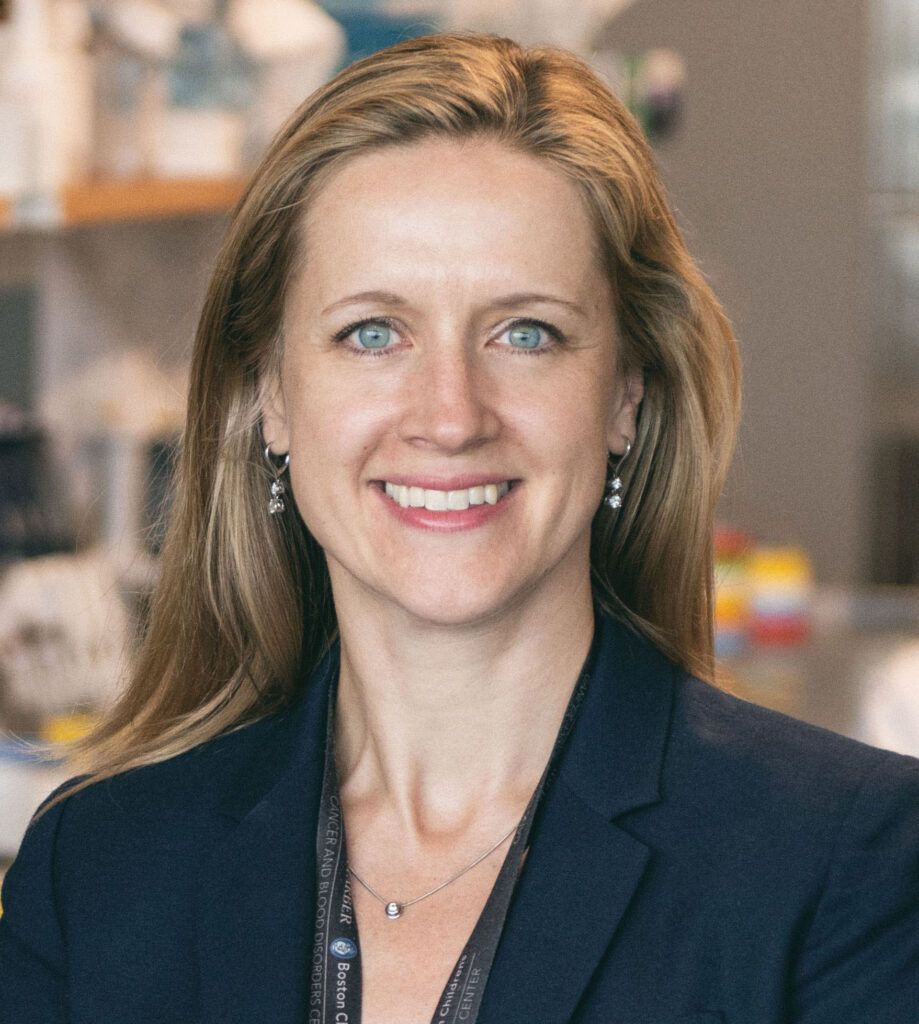
Mariella Filbin, MD, PhD
Institution: Dana-Farber Cancer Institute
Tribute: Co-funded by the Yuvaan Tiwari Foundation
Pediatric diffuse midline gliomas (DMG) are incurable brain cancers with a median survival of 9-12 months and no long-term survivors. To date, focal radiation remains the standard of care but improves survival by only a few months. Unfortunately, rapid radiation resistance ultimately arises in all DMG, resulting in lethal tumor recurrence in 100% of patients. Despite intense research efforts over the past four decades, there is still a lack of mechanistic understanding of the biology underlying DMG radiation resistance. While there is ample evidence that direct communication between normal brain cells (neurons) and cancer cells is critical to fuel growth of pediatric brain tumors; whether these important interactions contribute to treatment failure in DMG is currently not known. The innovative work outlined in this proposal will enable us to discover the biochemical mechanisms through which DMG cells exploit interactions with surrounding normal neurons to survive radiation-induced cell killing. If successful, these experiments have the potential to (i) completely transform our understanding of how resistance to radiation develops in DMG as well as other deadly brain tumors, and (ii) lead to the development of new therapeutic approaches to make radiation treatment more effective. Hence, this proposal addresses a critical need to understand the mechanisms underlying DMG radiation resistance and improve the efficacy of treatment for children diagnosed with DMG.
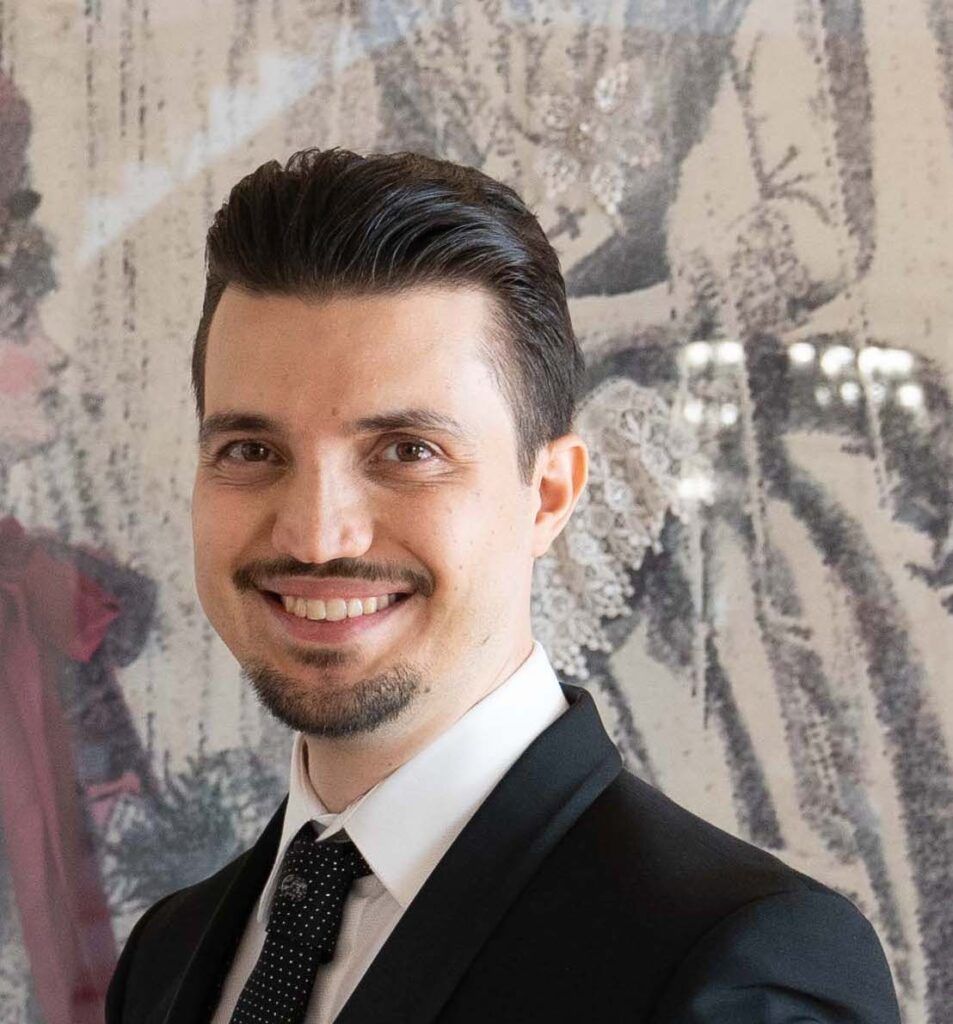
Luciano Garofano, PhD
Institution: University of Miami
Mentor: Antonio Iavarone, MD
Tribute: In memory of Brian Bouts
Glioblastoma (GBM) is an uncurable form of primary brain tumor with extremely poor prognosis. Despite current state-of-the-art therapy that includes surgery, irradiation and chemotherapy, all patients experience tumor progression, unfortunately. Numerous efforts have been made in the scientific community to design more appropriate therapeutic strategies. Some of these studies include computational approaches to sort tumor patients into subgroups of GBM, to understand the specific biological functions activated within these tumors and identify therapeutic targets. Single cell data allowed to discriminate tumor cells from the non-malignant cell components, and study how distinct tumor cell states interact within the tumor microenvironment. Moreover, proteomics analysis allowed for the discovery of kinases, proteins that specifically regulate tumor signaling, important for tumor growth and to repurpose current drugs for cancer therapy. Here, this study will examine the composition of the GBM ecosystem, dissect the biological mechanisms of GBM tumorigenesis and aggressiveness, and identify novel therapeutic opportunities for GBM. The development of innovative computational tools to understand the role of kinases in the reprogramming of GBM tumor-TME ecosystems is necessary to elucidate the mechanisms of therapeutic resistance.

Robyn Gartrell, MD
Institution: Johns Hopkins University School of Medicine
Tribute: Co-funded by StacheStrong
Atypical teratoid/rhabdoid tumors (AT/RT) are very tough brain tumors to treat. They’re aggressive and don’t respond well to chemotherapy, even at high doses. These treatments can make patients very sick and often they have to stay in the hospital. While radiation therapy can be used to target this tumor, patients with AT/RT are typically infants or toddlers under 3 years old and standard radiation at this age can cause delayed development. A new kind of radiation called FLASH has been shown to be safer for the brain than the usual type in tests on adult animals and even young healthy mice. FLASH has not yet been studied in very young mice in their first week of life. Since AT/RT mostly affects infants, it is essential to know how FLASH would affect this age group. Our study proposes to investigate how FLASH radiation therapy influences brain function and tumor control in AT/RT, aiming to shed light on a potential treatment approach for these challenging tumors while also preventing serious brain toxicity.
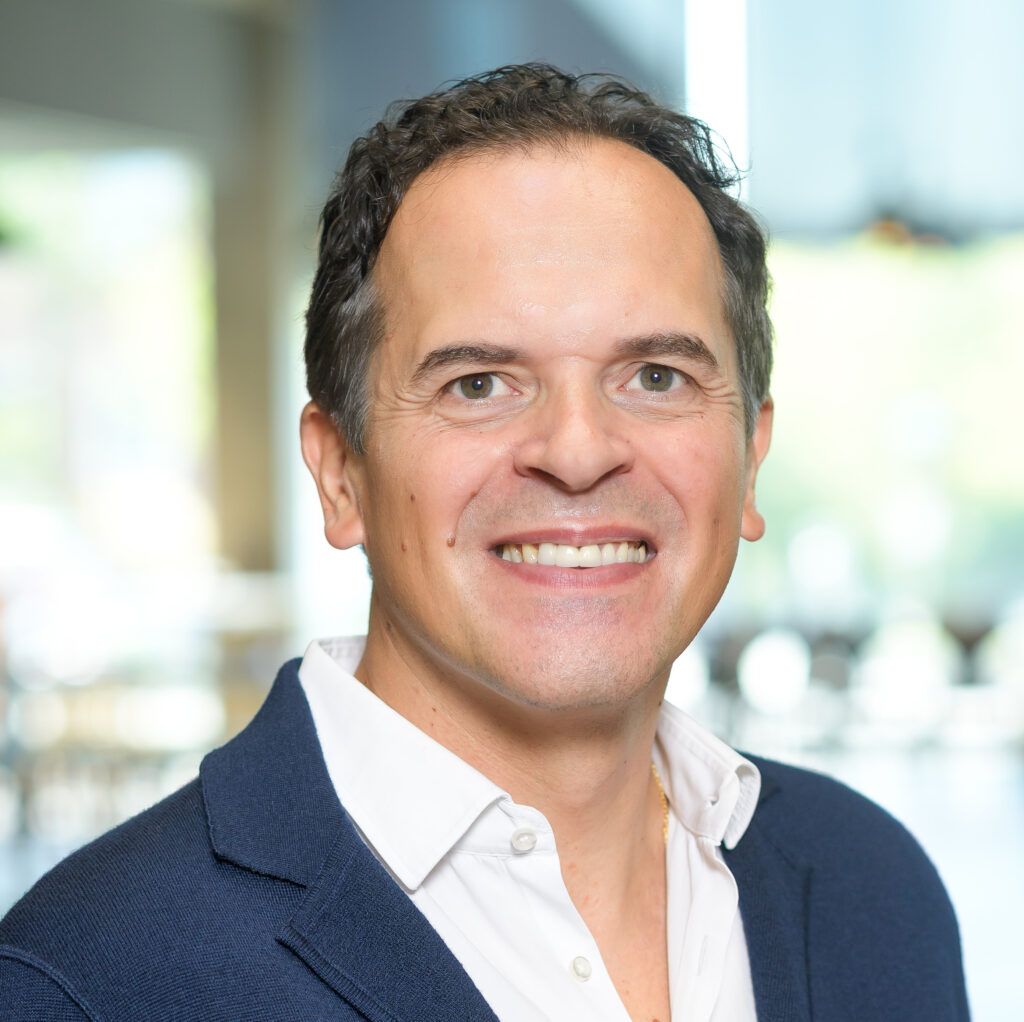
Filipe Pereira, PhD
Institution: Lund University
Tribute: Fully supported by an Anonymous Family Foundation
Cancer heterogeneity and the formation of an immunosuppressive tumor microenvironment (TME) are among the causes of failure of immunotherapy. Glioblastoma (GBM) is a highly heterogeneous tumor type, characterized by intra-tumoral and systemic immunosuppression.
Cellular reprogramming is emerging as a tumor-agnostic and immunosuppression-independent immunotherapy. My group has previously reprogrammed cancer cells into antigen-presenting conventional dendritic cells type 1 (cDC1). cDC1 are rare in tumor tissue but, even at low numbers, are sufficient to induce cancer cell death by the immune system. The current proposal aims to evaluate cDC1 reprogramming as a GBM immunotherapy. First, we will assess the feasibility of reprogramming GBM cells within the brain and characterize the immune mechanisms launched by cDC1-like cells in mouse models with different TME and immunogenicity profiles. Then, we will evaluate cDC1 reprogramming and associated immunogenicity in human patient-derived GBM organotypic cultures with an established immunosuppressive TME. Lastly, we will demonstrate the efficacy and safety of the cDC1 reprogramming approach in syngeneic models, validating it as a gene therapy for GBM. By connecting cellular reprogramming and immunotherapy in a novel gene therapy, our strategy has the potential to provide a personalized and effective treatment for GBM patients.

John Prensner, MD, PhD
Institution: University of Michigan
Mentor: Sriram Venneti, MD, PhD
Tribute: Co-funded by StacheStrong
Children diagnosed with diffuse midline glioma (DMG), including diffuse midline pontine glioma (DIPG), are faced with a dismal prognosis: over 90% of patients will die from disease within two years. Removal of these tumors by surgery is not possible, and so current treatment focuses on radiation therapy, which is not curative for patients. Our research has worked to unveil a new potential avenue for therapy for these children through investigation of the ‘dark’ proteome. This term refers to the thousands of small proteins generated by DMG/DIPG cells that have not been previously studied. We have pioneered cutting-edge methods to identify key cancer drivers from the dark proteome of medulloblastoma and other cancers. In this American Brain Tumor Association award, we will employ multiple patient-derived models of DMG/DIPG to define the dark proteome of associated with cancer gene mutations that cause DMG/DIPG in children. In addition, we will identify how radiation treatment – the standard therapy for children with DMG/DIPG – creates new opportunities for therapies based on the dark proteome. Overall, we expect this project to catalyze a new direction of research in DMG/DIPG by demonstrating the extent and relevance of the dark proteome, which may be used as a platform for future therapeutic developments.
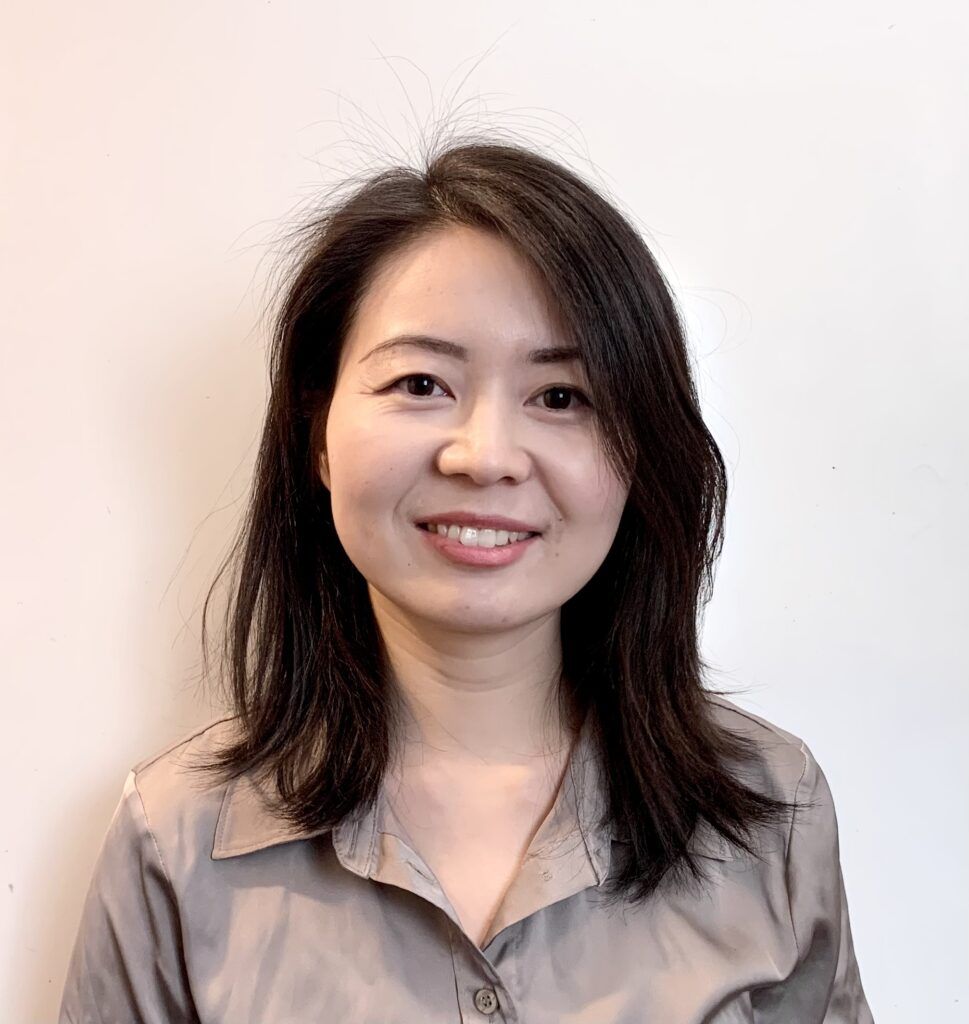
Xueqin Sun, PhD
Institution: Sanford Burnham Prebys Medical Discovery Institute
Mentor: Charles Spruck, PhD
Tribute: Fully supported by an Anonymous Family Foundation
Glioblastoma (GBM) remains the most common and deadly type of primary brain cancer, leading to death of approximately half of all patients within just one year from the time of diagnosis and 95% within five years. We have discovered BRD8 protein as a novel and promising therapeutic candidate that, when targeted, could extend survival in about 71% of GBM cases—specifically those that still retain the tumor-suppressing protein p53. We further find that BRD8—the culprit for GBM aggressiveness, is kept at high levels by its partner protein, MRGBP. MRGBP shields BRD8 from being broken down by the proteasome—a machine that breaks down unneeded or erroneous proteins in the cell. This project aims to understand whether and how BRD8 is protected by MRGBP to block our body’s natural anti-tumor defense. We seek to answer this question using comprehensive methods from two aspects: 1) Is BRD8 protected by MRGBP from degradation; 2) Does BRD8 degradation restore the body’s natural anti-tumor ability? Successful completion of this innovative and timely project will provide insights into eradicating BRD8 using the proteasome; thereby, unleashes the intrinsic tumor suppression activity of p53 to halt GBM, paving the way for developing more effective therapies for people afflicted with this devastating malignancy.
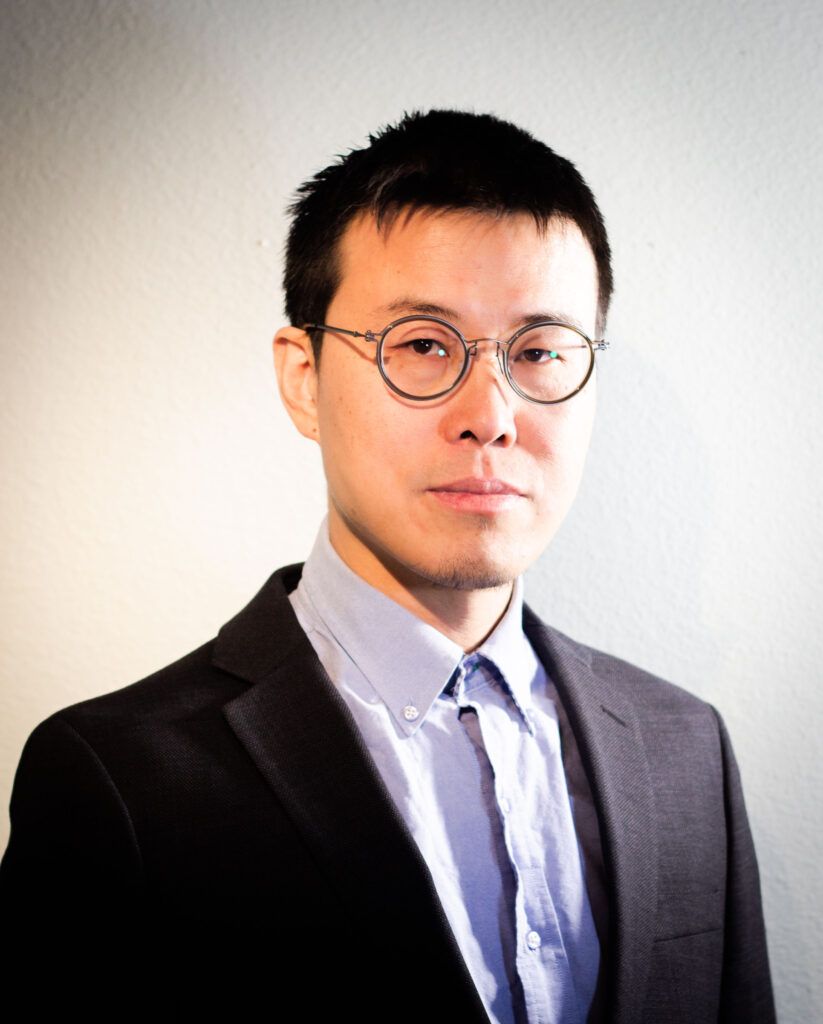
Dong Wang, PhD
Institution: University of Colorado Denver
Mentor: Rajeev Vibhakar, MD, PhD
Tribute: Fully supported by an Anonymous Family Foundation
Medulloblastoma is the most common malignant brain tumor in children, and tumors driven by the MYC oncogene are particularly aggressive and resistant to standard treatments. We hypothesize that MYC, along with another key driver gene, OTX2, promotes tumor growth by increasing protein production, which relies on ribosomes—the structures in cells that build proteins. Our research has shown that a gene called CDK8 is essential for maintaining MYC and OTX2 activity and supporting ribosome production in these tumors. We will investigate whether blocking CDK8—either alone or in combination with other inhibitors that also regulate ribosome biogenesis—can slow tumor growth and improve treatment options for children with MYC-driven medulloblastoma. If successful, this work could lay the foundation for developing new therapies that may advance toward clinical trials.
Murat Yildirim, PhD
Institution: Cleveland Clinic
Mentor: Justin Lathia, PhD
Tribute: In memory of Kaitlyn Berg
Glioblastoma (GBM) is the deadliest form of brain cancer, with most patients surviving only about a year after diagnosis. In addition to rapid tumor growth, GBM disrupts brain function, causing memory loss, movement problems, and seizures. These symptoms often appear late in the disease, making early detection and intervention critical. Our project will explore how GBM affects brain activity and behavior from its earliest stages, with the goal of developing better diagnostic tools and treatment strategies. In Aim 1, we will use advanced brain imaging techniques to track real-time brain activity and chemical signaling in mice before and after tumor formation. By monitoring pupil size, facial movements, and walking patterns, we will train artificial intelligence models to recognize early warning signs of GBM-related brain dysfunction. In Aim 2, we will test whether light-based therapies (optogenetics) can restore brain function in mice with GBM. By stimulating inhibitory brain circuits, we aim to correct the harmful changes GBM causes in brain networks. If successful, this approach could pave the way for new, targeted therapies to improve brain function in GBM patients. By combining early detection strategies with innovative treatments, this research aims to slow disease progression and improve patient outcomes, offering hope for a more effective fight against GBM.
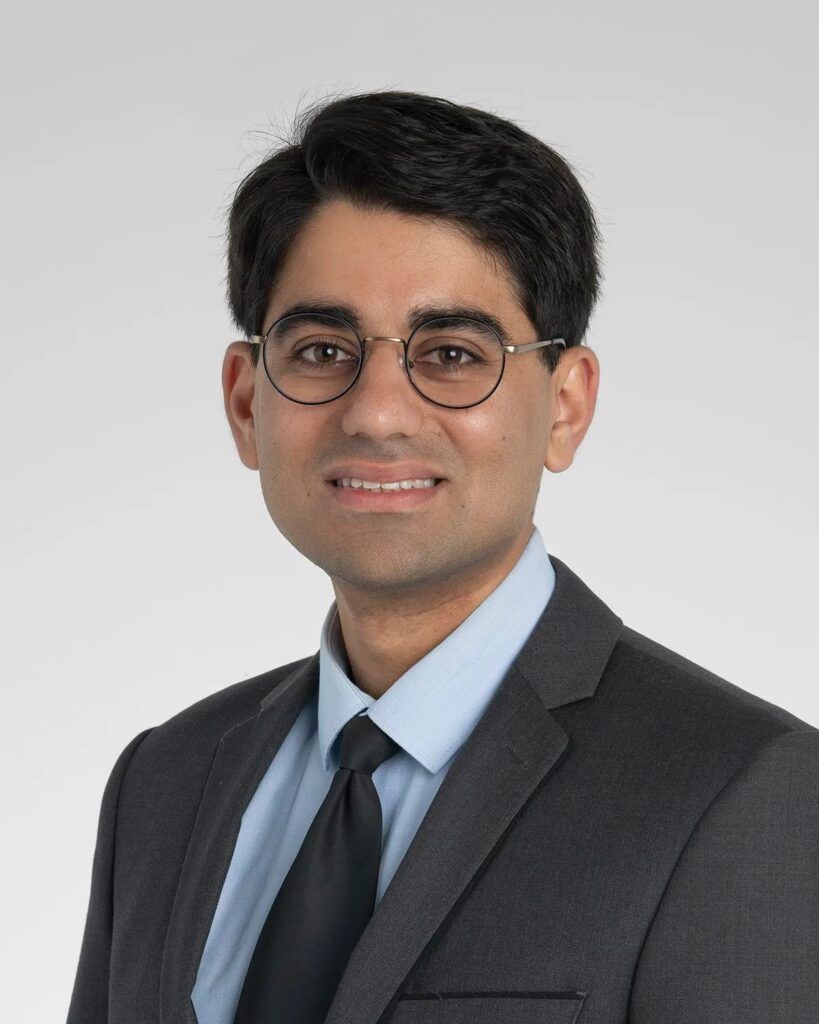
Andrew Dhawan, MD, DPhil
Institution: Cleveland Clinic
Mentor: Justin Lathia, PhD
Tribute: Fully supported by an Anonymous Family Foundation
Glioblastoma (GBM), the most aggressive and common form of brain cancer, presents a significant treatment challenge due to the frequent development of resistance to temozolomide (TMZ), the standard chemotherapy drug, particularly after radiation therapy. Our research is focused on understanding the interplay between the tumor cells and the normal brain cells that surround them within the tumor microenvironment. We hypothesize that these normal brain cells actively contribute to making GBM cells resistant to TMZ following radiation. To investigate this, we will use laboratory models called co-cultures, where we can precisely control a mixture of GBM cells and different types of normal brain cells, called astrocytes, neurons, and microglia, mimicking the environment within a patient’s tumor. By exposing these models to radiation and then TMZ, we can carefully observe how drug resistance emerges under various conditions and identify the specific roles of different normal brain cell types. We will also be looking closely at specific molecular signals, that we suspect are involved in this process of resistance. Ultimately, our goal is to uncover the mechanisms by which normal brain cells help GBM cells evade the effects of TMZ after radiation. This knowledge could lead to the development of new and more effective therapies that target these interactions, potentially overcoming drug resistance and significantly improving the outcomes for patients with GBM.
Jack and Fay Netchin Summer Research Grant
A Medical Student Summer Fellowship is a three month, mentor-guided summer research experience, intended to motivate talented medical students to pursue a career in neuro-oncology research.
2025
Lucien Rubinstein Award Recipient

Darwin Kwok, PhD
Institution: University of California, San Francisco
Mentor: Hideho Okada, MD, PhD
Tribute: In Memory of Jameson Taylor, GBM warrior and medical student
Glioblastoma and other brain tumors are very difficult to treat because they almost always come back after standard therapies like radiation and chemotherapy. A major challenge is that these treatments change the tumor in ways that make it harder for the immune system to recognize and attack. Our project set out to understand these changes and to explore how they could be turned into new opportunities for treatment. We discovered that after therapy, brain tumors produce a new landscape of abnormal protein fragments derived from newly formed RNA junctions, which are strands of proteins precursors that connect and change shape. These newly formed RNA junctions are not normally found in healthy cells. These abnormal junctions can create unique protein fragments, or neoantigens, that the immune system could potentially recognize as foreign. By analyzing patient tumors and cell models, we built the first large atlas of these therapy-induced changes. We then used advanced computer tools to predict which of these abnormal fragments could be seen by the immune system and confirmed that many are specific to cancer cells. Even more importantly, we identified a handful of high-priority candidates that appear across multiple patients and treatments, making them especially promising for the development of new immunotherapies such as vaccines or engineered T cells. These findings open up a new way to think about treating brain tumors. By turning the changes caused by therapy into targets for the immune system, we may be able to develop longer-lasting and more effective treatments for patients.
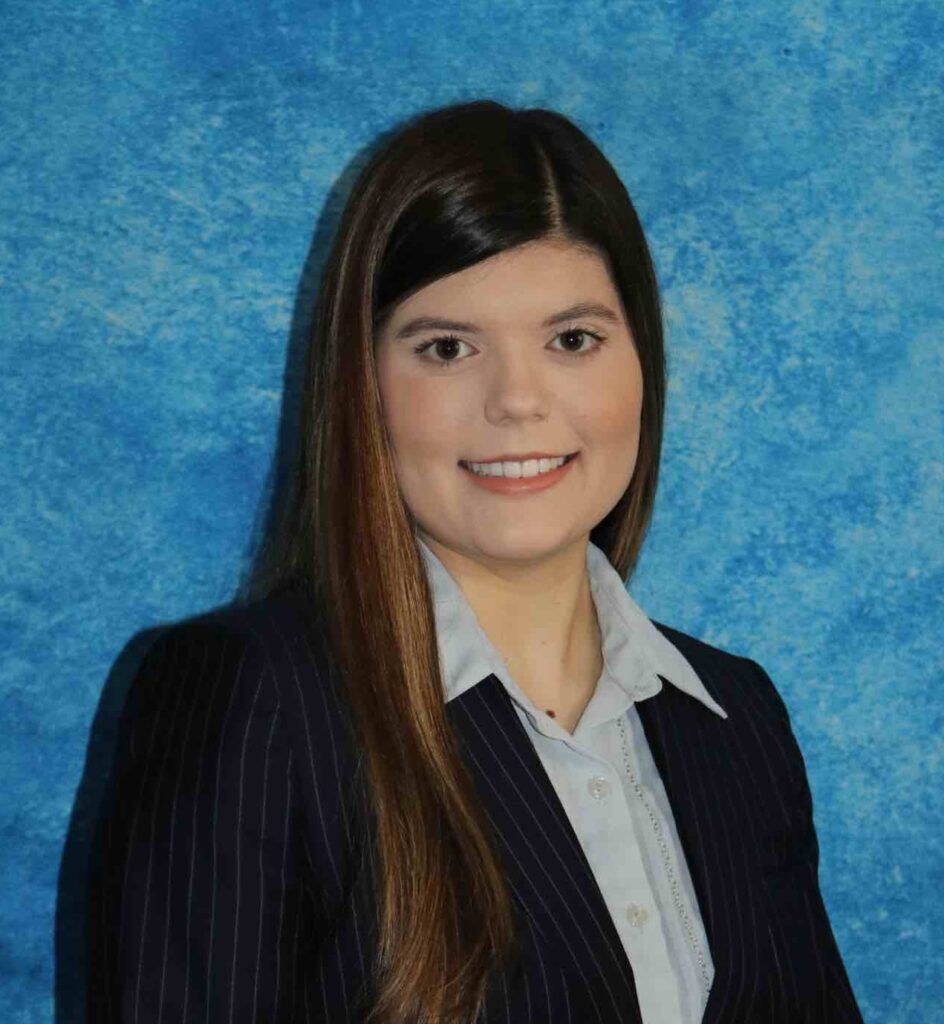
Stephanie Bean, BS
Institution:University of Texas Health Science Center at Houston
Mentor: Ji Young Yoo, PhD
Tribute: Fully Supported by BrainUp
Glioblastoma (GBM) is a highly aggressive and deadly type of brain cancer with limited effective treatments. One promising new therapy uses a genetically engineered herpes virus, called oncolytic herpes simplex virus-1 (oHSV), which has been approved by the FDA to treat melanoma. While some GBM patients respond well to this therapy, only a small subset of GBM patients experience long-term survival benefits because many tumors are naturally resistant. This highlights the need for new strategies to reprogram tumor cells to become more susceptible to virus therapy. Our research has identified a tumor-suppressive molecule in cells called miR-433-3p. This molecule helps slow cancer growth and can push cancer cells into a state called “senescence”, where they stop growing and become more vulnerable. Our project will investigate how miR-433-3p causes senescence and how it may enhance the effectiveness of virus therapy by promoting immunogenic senolysis, a process that helps the immune system recognize and eliminate tumor cells. The successful completion of our study could lead to new treatments that combine miR-433-3p with virus therapy, offering hope for better outcomes and longer survival for patients with GBM.

Thomas Lai, BS
Institution: University of California, Los Angeles
Mentor: Robert Prins, PhD
Tribute: In Honor of Debbi Schaubman
Glioblastoma (GBM) is an aggressive brain cancer with poor survival rates despite current standard treatments. While immunotherapy—treatments that use the immune system to fight cancer—has revolutionized care for some cancers, its success in GBM has been limited. Recent findings suggest that high levels of Type I Interferon (IFN-I), a signaling molecule involved in activating the immune system, may produce inflammation that is counterproductive to the immune system in GBM, creating resistance to these therapies. Patients with elevated IFN-I activity in their blood often have worse outcomes and respond poorly to immune-based treatments. The aim of this project was to identify markers of this chronic inflammation in brain tumor patients on immunotherapy. Using blood samples from clinical trials, we evaluated how immune cells react to IFN-I and whether this reaction can serve as a biomarker for treatment response. We also analyzed routine blood test data, such as white blood cell counts, and identified high neutrophil count as an additional indicator of chronic inflammation in brain tumor patients receiving immunotherapy. In summary, this project evaluated various blood biomarkers to identify a rapid, low-cost diagnostic tool that may guide personalized treatment strategies, ensuring that patients receive therapies most likely to benefit them. This research could transform GBM care by improving treatment outcomes and offering new hope for patients battling this devastating disease.

Vishva Natarajan, MS
Institution: Dartmouth-Hitchcock Clinic
Mentor: Jennifer Hong, MD
Tribute: In Memory of Kaitlyn Berg
Seizures are one of the most disabling complications for people with brain tumors. Research suggests that these seizures may be linked to damage in structures called perineuronal nets, protective “scaffolds” that stabilize brain activity. Unfortunately, studying these nets in human brain tissue usually requires applying extra chemical stains to precious brain tissue samples, a process that is slow, costly, and destructive to the tissue itself. I developed VirtualPNN, a new artificial intelligence tool that can reveal perineuronal nets directly from a routine pathology slide, without additional staining. This approach allows us to conserve tissue, reduces cost and time, and opens the possibility of analyzing thousands of archived slides that were previously inaccessible for this type of research. Our results are highly promising. VirtualPNN produces realistic images of perineuronal nets and, after targeted improvements, reduces false signals that older methods could not. Preliminary review of AI-generated images by neuropathologists confirmed high biological realism. In the future, VirtualPNN may help identify which patients are most at risk for seizures and support personalized approaches to seizure prevention, surgical planning, and treatment monitoring. The ABTA made it possible for me to receive invaluable mentorship in neurosurgery and AI, helping me grow as a future surgeon-scientist dedicated to improving quality of life for people living with brain tumors.

Shree Pari, BS
Institution: Washington University School of Medicine in St. Louis
Mentor: Bhuvic Patel, MD
Tribute: In Honor of Paul Fabbri
Meningiomas are the most common type of brain tumor. While many can be treated with surgery, some grow aggressively and invade into the brain, making them harder to remove and more likely to return. Unfortunately, we do not yet understand why certain meningiomas become brain-invasive and there are no treatments specifically aimed at stopping this behavior. Our research focuses on identifying the molecules that drive brain invasion in meningiomas. We used advanced techniques to analyze tumor samples at the protein level. This revealed a set of proteins that are more common in invasive meningiomas. We then used fresh surgical specimens to create patient-derived 2D cell models and 3D tumor organoid models. These models have allowed us to study how meningiomas behave inside the human body in the lab and test whether specific proteins may be responsible for tumor invasion into normal brain tissue. We also developed a system that mimics how meningiomas invade brain tissue, which we are now utilizing to test potential therapeutic targets. Our next steps include further sequencing our tumor models to discover more information about meningiomas and silencing specific genes in tumor cells to determine if this will reduce their invasiveness.

Kristen Park, BS
Institution: University of Pennsylvania
Mentor: Hongjun Song, PhD
Tribute: Fully Supported by Southeastern Brain Tumor Foundation
Glioblastoma (GBM), the most common primary brain tumor in adults, has a dire prognosis, with a median survival of less than 1.5 years and no significant advancements in therapy within the last two decades. Recent work in cancer neuroscience shows that GBM cells can form direct, synapse-like connections with nearby neurons. While symptoms have traditionally been blamed on local tissue damage, we asked whether these neuron-to-tumor synapses also disturb brain circuits far from the tumor. Using patient-derived GBM cells transplanted into mouse cortex, we mapped which brainstem areas connect to the tumors and found strong inputs from neuromodulatory centers that produce serotonin (dorsal raphe) and noradrenaline (locus coeruleus). In tumor-connected neurons, single-cell RNA sequencing showed increased expression of genes that build and strengthen synapses, and in brain slices these neurons received more excitatory signals than their neighbors. At the whole-animal level, mice with cortical tumors showed early sleep disruption, including more failed attempts to enter REM sleep and lower deep-sleep (delta) power, signs of unstable sleep control. Together, these findings suggest that GBM hijacks distant brainstem circuits that govern essential brain functions, offering new insight into both tumor biology and associated neurological symptoms.

Gopi Patel, BS
Institution: University of Florida
Mentor: Jianping Huang, MD, PhD
Tribute: In Memory of Jim Topor
Glioblastoma is one of the most aggressive and devastating brain cancers, leaving patients and families with few effective options. Even with surgery, radiation, and chemotherapy, most patients survive less than 15 months after diagnosis. To address this urgent need, our team is pioneering a new therapy called 8R-70CAR T-cell therapy, which uses the patient’s own immune cells to precisely target and attack glioblastoma. We collect each patient’s T cells—white blood cells that normally fight infection—and reprogram them in the lab to recognize and destroy tumor cells. What makes this approach groundbreaking is that the engineered T cells are also equipped with a built-in “tumor positioning system,” allowing them to home in on the cancer and remain active within the brain, a site where immune cells usually struggle to survive. In our first clinical trial, the treatment was delivered safely and showed strong immune activity without severe side effects. Remarkably, all patients lived more than twice as long without tumor progression compared with typical outcomes, and two patients remain stable for over 16 and 21 months. These results demonstrate that this next-generation, CD70-targeted immunotherapy may offer safer and more durable treatment options for people with glioblastoma and have inspired a companion pediatric trial now underway.
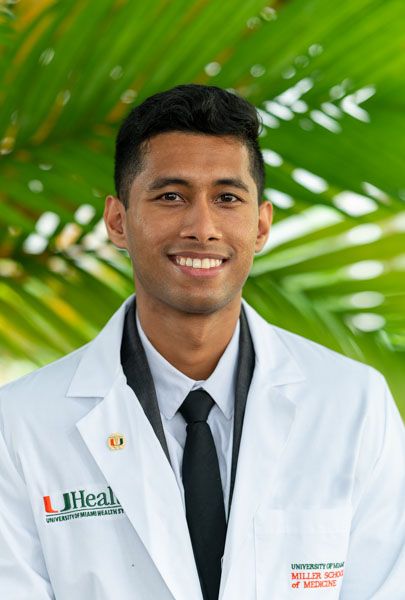
Christian Ramsoomair, BA
Institution: Miller School of Medicine of the University of Miami
Mentor: Danny Reinberg, PhD
Tribute: In Memory of Joe Smeeding
Diffuse midline glioma (DMG) is a devastating brain tumor in children that responds poorly to current treatments, including immunotherapy. DMG creates an environment in the brain that suppresses the immune system and keeps immune cells out, making it difficult for the body to fight the tumor. Researchers are developing new strategies to change this environment and make tumors more responsive to treatment by mimicking a viral infection in the tumor. Thus, this will “wake up” the immune system. Our research focuses on a novel approach to increase levels of a key molecule involved in immune activation — double stranded RNA (dsRNA). We discovered that an RNA-editing protein called ADAR is abnormally elevated in DMG, where it helps the tumor degrade immune-activating RNAs and evade immune responses. A drug called all-trans retinoic acid (ATRA) has shown promise in inhibiting ADAR, thereby making tumors more likely to respond to immunotherapy. In experiments using patient-derived DMG cells, ATRA not only degraded ADAR but also slowed tumor growth. Now, we have evidence utilizing a mouse model for DMG, that shows that ATRA as well as ATRA combined with immunotherapy significantly improves survival. Ongoing studies are currently being aimed to elucidate how best to synergize ATRA with existing immunotherapy treatments against DMG. This research has the potential to provide hope and lead to safer, more effective treatments for DMG patients.
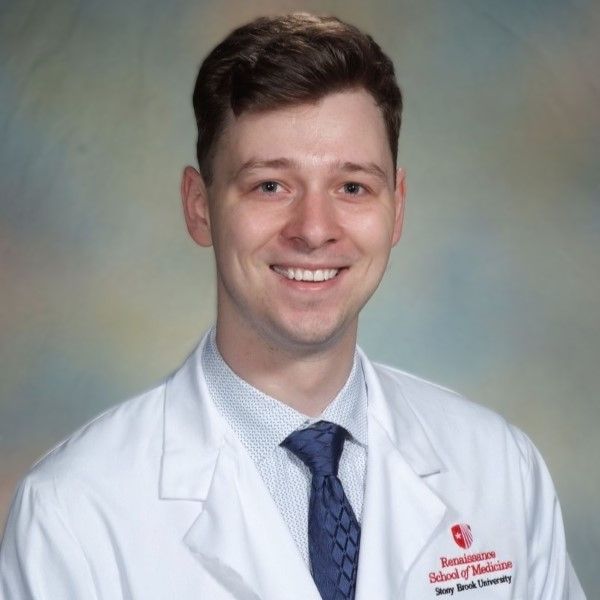
Robert Ruzic, MS
Institution: SUNY at Stony Brook
Mentor: Stella Tsirka, PhD
Tribute: In Memory of Rose DiGangi
Glioblastoma (GBM) is an aggressive and difficult-to-treat brain tumor. Even with surgery, radiation, and chemotherapy, GBM almost always comes back, and most patients survive less than two years after diagnosis. This is partly because GBM cells can spread widely in the brain and resist standard treatments. One way these tumor cells survive is through a process called autophagy, which allows them to recycle parts of themselves for energy. Our research team, led by Dr. Tsirka, is studying whether an older drug called lucanthone can block this survival process and make GBM cells more vulnerable. In this project, we are testing lucanthone on cells taken directly from patients’ tumors, including both newly diagnosed and previously treated cases. So far, we have begun working with one patient sample, focusing on finding the best ways to grow these cells and start testing lucanthone’s effects. While it is still early in the study, this work may help us find new ways to treat GBM in the future and bring hope to patients and families facing this challenging disease.
James Trippett, MBE
Institution: University of California, San Francisco
Mentor: Manish Aghi, MD, PhD
Tribute: In Memory of Kaitlyn Berg
GBM is one of the most aggressive brain cancers, in part because of the brain’s natural defenses. The blood–brain barrier makes it difficult for both immune cells and medications to reach the tumor. In this project, we tested a technology called Focused Ultrasound (FUS), which uses sound waves to temporarily and safely open the blood–brain barrier. Our idea was that this opening might allow more immune cells, specifically neutrophils, a key component of the body’s first line of defense, to move into the tumor and help mount an immune response against the cancer. To study this, we implanted brain tumors in mice and treated some of them with FUS, while others did not receive the treatment. We then measured whether more neutrophils entered the cancer after the procedure. Surprisingly, we found that the percentages of immature neutrophils among immune cells in the tumor tended to be lower in the FUS group compared to the non-FUS group and this did reach statistical significance. This result suggests that the relationship between the blood–brain barrier, immune cells, and GBM is more complex than we initially expected. These findings underscore the need for further investigation, particularly at various stages of tumor growth, to determine whether the timing of treatment impacts outcomes. Although the early results ran counter to our initial prediction, they provide valuable clues that will guide the next steps in understanding how to strengthen the immune response against GBM.
Alexander Wang, BS
Institution: Case Western Reserve University – School of Medicine
Mentor: Tyler Miller, MD, PhD
Tribute: Full Supported by the Gladiator Project
Most brain tumor patients are treated with a steroid called dexamethasone, or “dex”, which helps reduce brain swelling and eliminate common symptoms like headaches and seizures. While dex is very effective at controlling these symptoms, it may also weaken the body’s immune system and limit the effectiveness of immunotherapies, which uses the body’s own immune system to attack the tumor. Currently, we do not know how long steroids weaken the immune system for and this reality has motivated us to understand how long it takes for the immune system to sufficiently recover before they can recover to respond to particularly aggressive cancers like GBM. Our research aims to study how these steroids affect the native cells that eventually develop into the immune cells which can fight cancer. Our early findings suggest that dex can alter the way these cells multiply and develop, which may help explain why the immune system becomes less effective after treatment. We are also preparing to study blood samples obtained from brain tumor patients before and after surgery who have received steroids to look for signs of immune system recovery over time. As most brain tumor patients receive steroids before and after their surgery, we hope to find a way to balance Dex’s symptom-relieving benefits with its detrimental effects on cancer immunotherapies.
Grants Awarded in Collaboration with Other Organizations
Metastatic Brain Tumor Collaborative CNS Metastasis Research Grants
CNS Metastasis Research Grants provide $50,000 over one-year to support researchers to conduct metastatic CNS tumors or leptomeningeal disease-focused projects that are applicable to at least two different primary cancers
Brain Tumor Funders Collaborative
In 2025 the Brain Tumor funders Collaborative (BTFC) awarded two $500,000 grants to support projects focused on Liquid Biopsy for Primary Brain Tumors
