Sponsored Content
This is not an endorsement from the ABTA.
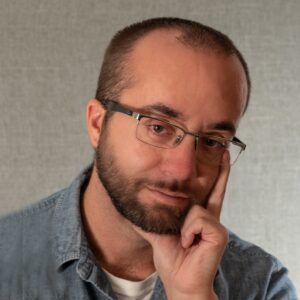
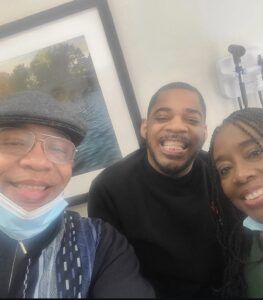
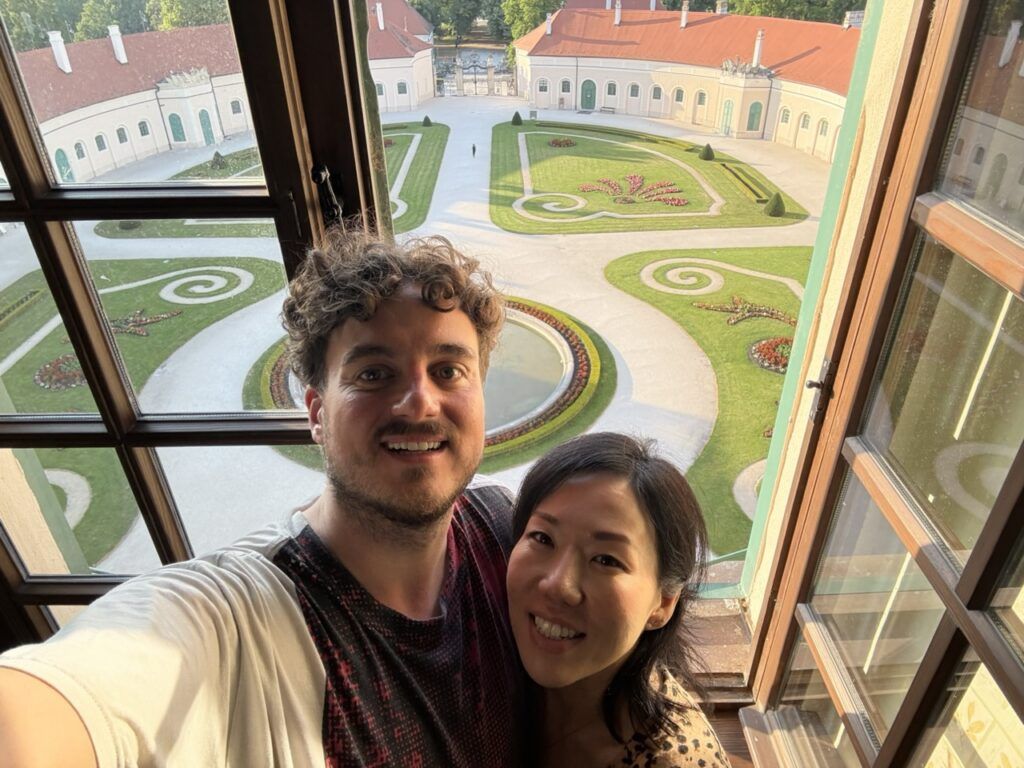
Endre Hudy has accomplished a lot in the past five years: He completed an MBA, became a U.S. citizen, launched a new career as a college professor and enjoys living in Southern California with his wife, Esther. And the scar that runs down the back of his head is a daily reminder of what he had to overcome to achieve his goals. “My battle scar is a small price to pay for getting a second chance at life,” Endre says.
From Mild Headaches to a Cancer Diagnosis
When Endre began experiencing chronic headaches in 2020, he was determined to find a natural solution. He drank more fluids, cut out coffee, improved his sleep quality, monitored his blood pressure, exercised regularly and lost weight.
But despite the lifestyle changes, Endre’s headaches continued to interfere with his life. His primary care doctor told him the odds of a brain tumor were low, given Endre’s youth and overall good health. After repeated visits, however, his doctor ordered an MRI.
The test revealed the source of Endre’s headaches: a large tumor pushing against his brainstem. Endre was diagnosed with grade 3 anaplastic ependymoma, which is rare, fast-growing and cancerous.


Choosing Keck Medicine of USC
The following weeks were lonely and challenging as Endre and Esther explored treatment options largely on their own. The COVID-19 pandemic meant Endre’s family in Hungary could not visit, and lockdown protocols kept the couple isolated from friends.
They consulted with medical experts across the United States and Europe before choosing the USC Brain Tumor Center, part of Keck Medicine of USC, for Endre’s care.
He says he felt reassured by Keck Medicine’s multidisciplinary approach and depth of expertise, especially due to its specialized brain tumor board comprising experts of both Keck Medicine and its USC Norris Comprehensive Cancer Center. Subspecialists including neurosurgeons, neuro-oncologists, radiation oncologists and neuropathologists meet regularly to conduct thorough reviews of each case to determine the best path forward.
Patients also have access to clinical trials and innovative treatment advancements from Keck Medicine’s world-renowned brain tumor researchers.

“We take on some of the most complex brain and skull base tumor cases,” explains Dr. Gabriel Zada, a neurosurgeon and co-director of the USC Brain Tumor Center. “There is no greater reward than seeing patients and their families thrive after a successful surgery.”
“All I could think was, ‘I’m the luckiest among the unlucky,’” Endre adds.
Brain Surgery and Radiation
For patients with grade 3 anaplastic ependymoma, long-term outcomes depend heavily on whether the tumor can be surgically removed. Endre’s tumor was operable, so the first step of his treatment was a suboccipital craniotomy.
Dr. Zada removed a portion of Endre’s skull to access the tumor and successfully remove it.
After healing from surgery, Endre underwent a month-long course of intensity-modulated radiation therapy. The advanced treatment targets cancer cells while sparing healthy tissue and organs.
Five years later, Endre remains cancer-free.
“Endre’s outcome is a testament to his unbridled will to recover paired with our multidisciplinary teamwork,” says Dr. Zada.
Sharing Hope with Others
Endre is passionate about spreading hope to others. As a member of the USC Brain Tumor Center’s advisory council, he raises awareness and support for ongoing brain tumor research.
Through his advocacy work, Endre aims to help Keck Medicine’s physician-scientists integrate their groundbreaking research into direct patient care. “My hope that we will see more success stories like mine.”
For more information, call the USC Brain Tumor Center at (844) 33-BRAIN (844-332-7246) or email [email protected].