
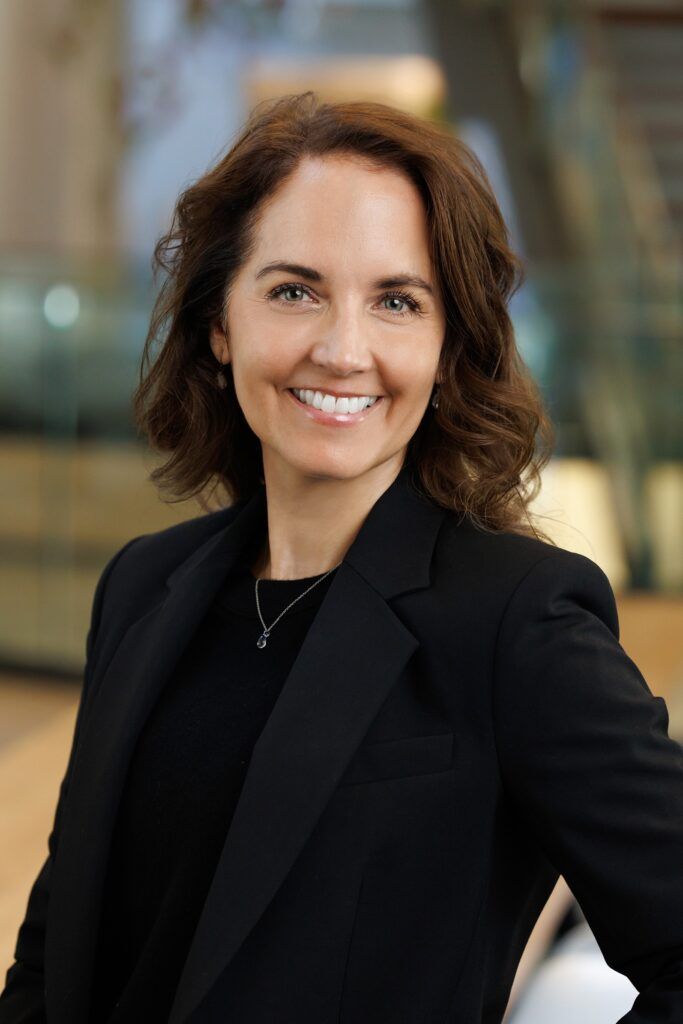
By Cherie Daly, M.D., Vice President, Clinical Research Physician, Nuvation Bio Inc.
In the days following a brain tumor diagnosis, patients and their families can feel overwhelmed having to learn about new medical terms, protocols, and procedures, all while coping with the shock of being diagnosed. That’s why open dialogue between healthcare providers and patients matters, especially when it comes to answering questions with evidence-based information.
Here are three misconceptions patients often bring up in those early conversations. If you’ve wondered about these topics, you’re not alone.
Myth #1: Somehow you caused your brain tumor.
When something serious happens, it’s natural to look for a cause you could have controlled. Patients often ask about cell phones, diet, or “forever chemicals” in water, but research has not shown that any of these cause brain tumors. The known risk factors for brain tumors are few, and for most patients, no clear cause is ever identified. If you have a brain tumor, you did not cause it. I hope those words help alleviate any burden a patient may be carrying.
Myth #2: Treatment automatically means chemotherapy and radiation.
For a long time, it was accurate to assume chemotherapy and radiation were the only options for treating brain tumors; for many patients, they remain essential. But treatment for brain tumors, particularly gliomas, is evolving, and FDA-approved targeted therapies are now available for some patients with certain types of glioma. Genomic sequencing can identify specific mutations driving tumor growth, which can open the door to targeted treatment options.
Beyond medicines, Tumor Treating Fields (TTFields) therapy, a wearable device-based treatment, is FDA-approved for certain patients with glioblastoma and works in an entirely different way from chemotherapy or radiation.
You should always ask your doctor what the treatment guidelines recommend and which treatment options are appropriate for your specific situation. And don’t hesitate to get a second opinion when you’re making life-changing decisions – you may feel more confident in your plan after hearing from multiple experts.
Myth #3: Clinical trials are a last resort.
Many people assume clinical trials are only available once standard therapies have stopped working, but you may be eligible at various points throughout treatment. Some trials enroll patients right at diagnosis, before any treatment begins, as potential advances in brain tumor care are being studied in newly diagnosed patients. Other trials for maintenance therapies are available after a standard treatment regimen is complete. If a tumor recurs, that can be another possible time to consider a trial.
In most cancer treatment trials, participants receive the standard of care, the new approach being studied, or both. Placebos (inactive treatments) are rarely used alone in cancer trials, and if a trial uses one, you will be told before you agree to take part.
My advice is to ask your care team about clinical trials from the start and learn how participation works. You can also search ClinicalTrials.gov and stay connected with patient advocacy groups like the American Brain Tumor Association (ABTA) for updates on research and trials.
I hope this information helps you and reminds you that it’s normal to have a range of questions after a brain tumor diagnosis. If you need information or reassurance, ask your healthcare team or reach out to the ABTA so they can help you feel empowered in your care.
This article was sponsored by Nuvation Bio Inc. and is intended for general educational purposes only. It is not medical advice. Please talk with your healthcare team about your specific situation and treatment options.