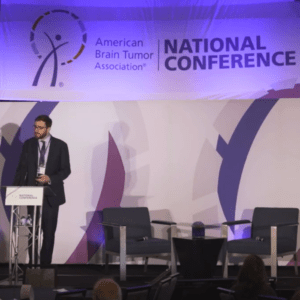
This year’s American Brain Tumor Association (ABTA) Alumni Research Network (AARN) Meeting brought together scientists from around the country and beyond who share a common goal: finding better treatments and improving lives for those affected by brain tumors. Unlike large scientific conferences that can feel overwhelming or competitive, the AARN meeting offered something rare: a welcoming, collaborative space where researchers could share new ideas, talk honestly about challenges, and connect with one another as part of a growing community. It also occurred right after the ABTA’s National Conference, which offers members of the brain tumor community the ability to connect and learn about new research in the field.
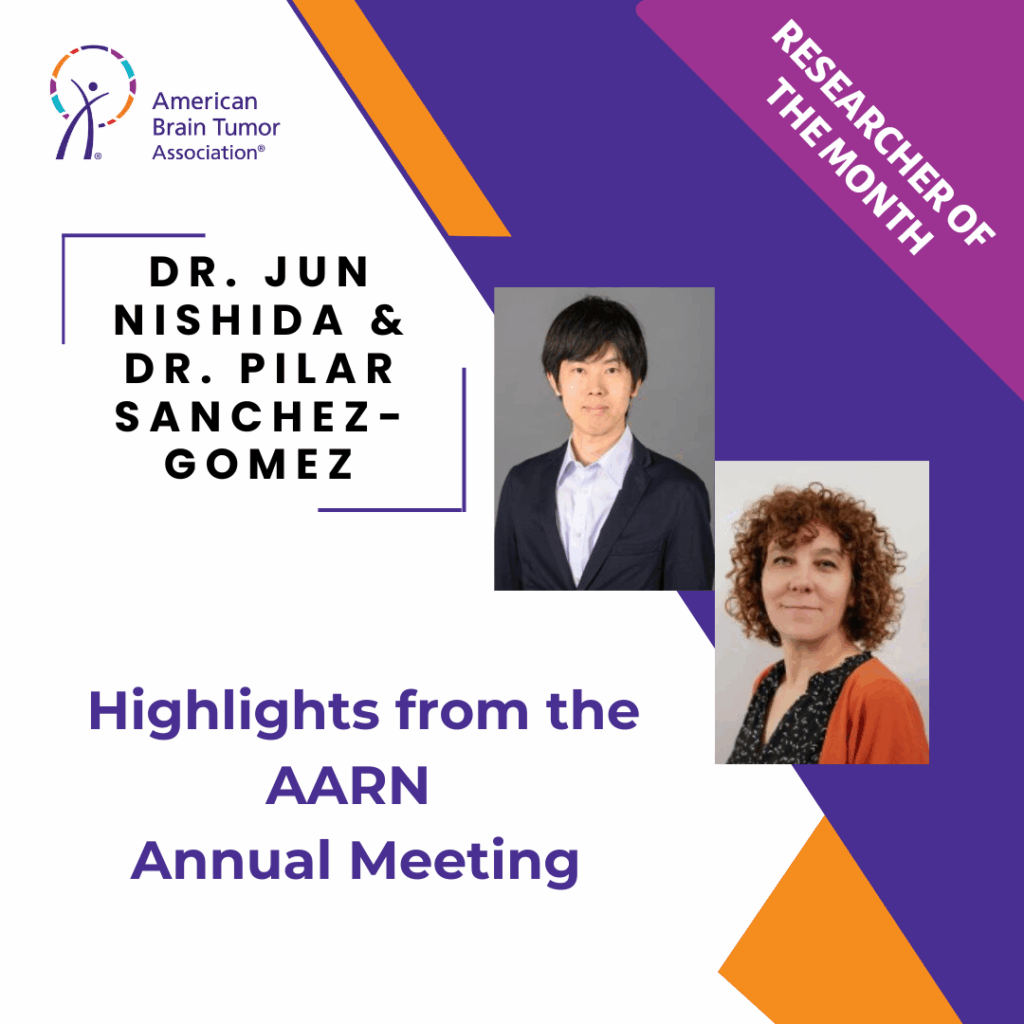
Two attendees, who are also November’s Researchers of the Month, reflected on how this meeting will inform their future research.
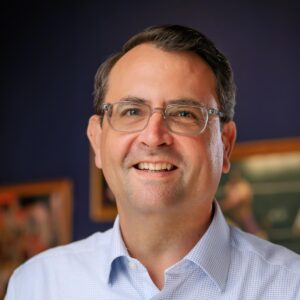
For Dr. Sánchez-Gómez of Spain’s National Cancer Research Center, her passion for studying brain tumors began early in her research career, driven by both curiosity and commitment. “Cancer research stood out as one of the most urgent scientific and social challenges of our time,” she shared. “But the brain is unlike any other organ: it’s incredibly complex, and that’s what makes studying it both difficult and essential.”
Her current work focuses on glioblastoma, the most aggressive type of brain tumor. Rather than studying only the main tumor mass, her team investigates the infiltrating cells left behind after surgery (the ones that eventually cause recurrence). “It’s like treating a city that’s already visible while the real threat comes from the pioneers who have moved elsewhere,” she explained. Her research aims to track these hidden cells and find new ways to eliminate them, potentially changing the course of glioblastoma treatment.
Dr. Jun Nishida, researcher at Dana-Farber Cancer Institute, had a personal loss as a college student that motivated him to pursue a career in brain metastasis research. “When I was an undergraduate, I lost my grandmother to a metastatic brain tumor,” he said. “That experience inspired me to dedicate my career to finding new treatments.”
His research focuses on how cancer cells from other parts of the body, like breast cancer, adapt and grow after reaching the brain. By studying how these cells behave in different regions of the brain, his goal is to uncover new therapeutic targets that could improve treatment for patients with metastatic brain tumors.
In this year’s meeting, a special session was held on communicating science to the larger brain tumor community. Both scientists emphasized the importance of communicating research clearly and compassionately, especially as misinformation spreads online.
“Science communication isn’t just about explaining discoveries,” said Dr. Sánchez-Gómez. “It’s about humanizing science—showing that researchers are real people who face challenges and care deeply about patients.” She added that open dialogue with patients and caregivers can even help guide research priorities.
Similarly, Dr. Nishida reflected on how the meeting improved his own communication skills. “I learned new ways to make complex topics easier to understand,” he said. “People often turn to misinformation out of fear or uncertainty. As scientists, we need to respond with empathy, not judgment.”
A session on immunotherapy for the treatment of brain tumors was also held at this year’s meeting. Immunotherapy, which aims to use the patient’s own immune system to treat cancer, has demonstrated promising results in other cancer types. Dr. Nishida discussed the importance of understanding immunotherapy and using a team science approach to foster collaboration between fields. “Collaboration between cancer researchers, brain researchers, and immunologists is key to ensuring that immunotherapy for brain tumors can benefit more patients in the future” said Dr. Nishida.
Both researchers agreed that what makes the AARN Annual Meeting stand out is its culture of collaboration and support. “At AARN, it feels like a scientific family,” said Dr. Sánchez-Gómez. “You can share new data, talk openly about challenges, and receive thoughtful feedback. It’s not about competition—it’s about connection.” Dr. Nishida echoed that sentiment: “The meeting brings together everyone, from early-career scientists to senior leaders, in an environment that encourages honest, inspiring conversations. It reminded me how many people are working tirelessly to improve outcomes for patients. That shared purpose is powerful.”
The ABTA Alumni Research Network was created to keep researchers connected long after their initial ABTA grants end, fostering continued collaboration and mentorship across the brain tumor research community. Meetings like this one remind everyone that progress happens not in isolation, but through shared effort and purpose.
As Dr. Sánchez-Gómez put it, “Studying brain tumors isn’t discouraging—it’s motivating. The complexity of this disease is exactly why we must keep going.”