by Brittany Bristol Wilson
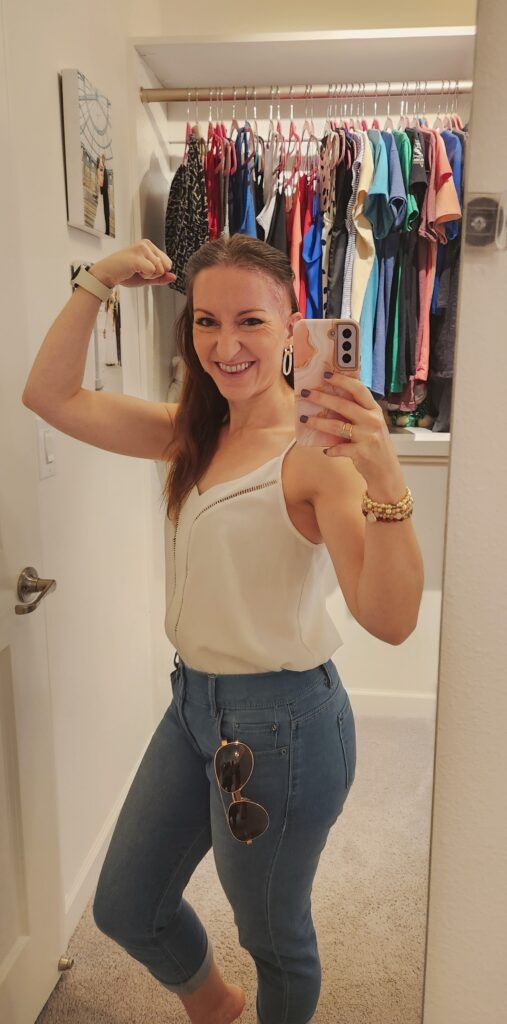
I woke up in the emergency room, confused and disoriented, wearing a hospital gown. My husband was by my side, but I had no memory of how I got there. Just moments ago, I had been at work—what had happened?
Only weeks earlier, in October 2024, I had breathed a sigh of relief after a successful cardiac surgical procedure. I was finally starting to feel like my health was back on track. Over the past year, I had noticed some subtle symptoms—slight tingling on the left side of my face, occasional numbness in my hand—but they were intermittent, not painful, and never disruptive enough to stop life. I chalked them up to lingering effects of my heart issues or side effects from the many medications I was taking.
But after time in the ER and getting more oriented, I finally learned what had occurred. While at work, I had suddenly experienced a focal seizure—followed by a grand mal seizure. This wasn’t my heart. This was something else entirely.
Days of testing and follow-up appointments led to multiple scans and visits with neurologists. Eventually, I received a diagnosis I wasn’t expecting: a low-grade, slow-growing glioma. I underwent a craniotomy, hoping for clarity and healing. But then came the pathology report: glioblastoma, an aggressive form of brain cancer. I was 38.
In the weeks that followed, I began treatment: radiation, chemotherapy, and a clinical trial. And in those same weeks, my life changed completely.
At times, this diagnosis has felt all-consuming—physically, emotionally, mentally, and even spiritually. It’s impacted every part of my life and my family’s life. I’ve paused working during this intense, active part of treatment to focus on healing.
And yet, alongside the horror and grief, there has also been an awakening. A pause. A reassessment of who I am and how I want to live.
There is no more sleepwalking through life. Confronting my mortality has gifted me something unexpected: intention. I now ask myself daily—how do I want to feel? Who and what matter most to me? What kind of legacy do I want to leave behind?
Whether I live two more years, thirty more years, or more, I’ve come to understand that none of us really know what lies ahead. Diagnosis or not, we are all walking into the unknown.
Reflecting on this past year and a half, I’ve learned two powerful lessons:
First, I trust the wisdom of my body. Even subtle signals matter. I no longer ignore the quiet messages my body sends. I listen—not from a place of anxiety—but with love and partnership. My body is my ally. When something feels off, I give myself permission to seek answers.
Second, I move forward with compassion and confidence—gently, but fiercely. Whether I’m contacting a specialist, leaning on a friend, or searching for trusted information on the ABTA website, I do it with care and clarity. I speak up. I trust what I know to be true. I make room for both courage and grace.
The road ahead is uncertain. But I remain hopeful. I trust my body. I seek support. I take each step with intention and kindness—step by step, breath by breath.
As Harold S. Kushner wrote, “Everyone is our brother or sister in suffering.”
But maybe, through authenticity and community, we can also become brothers and sisters in hope and healing.